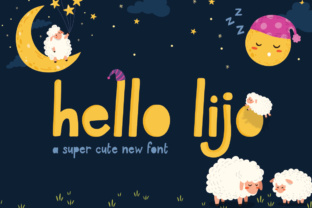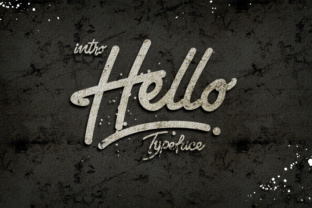
Hello: A Versatile Display Font
Hello is a modern display font that brings clarity and character to digital design. Its clean lines and balanced structure make it ideal for web design, branding, and visual storytelling across multiple platforms.
The font's personality is both professional and approachable, making it suitable for a wide range of applications. From bold headers to subtle accents, Hello adds visual interest without sacrificing readability.
Using Hello in Web Design
In web design, Hello excels as a headline font. Its strong visual presence helps establish hierarchy and guide user attention. For example, on a landing page, using Hello for the main CTA button or hero section can create a clear focal point.
On a creative portfolio site, Hello can be used for project titles or section headings. Its versatility allows it to stand out while maintaining a cohesive look across different design elements.
For online stores, Hello works well on banners and product titles. It enhances the visual appeal of digital storefronts without overwhelming the user with excessive ornamentation.
Readability and Visual Hierarchy
Hello maintains good readability even at smaller sizes, which is essential for mobile-first design. On responsive layouts, it adapts well to varying screen sizes and resolutions.
When used in short phrases or on buttons, Hello ensures that important information remains legible. This makes it an excellent choice for call-to-action elements and navigation menus.
On dark backgrounds or image overlays, Hello retains its clarity and contrast. This makes it effective for overlay text on hero images or background graphics.
Brand Tone and User Engagement
The font's clean and modern aesthetic supports a professional brand tone. It conveys trust and reliability, which are crucial for SaaS websites, coaching services, or educational platforms.
For a boutique online store, Hello can reinforce a brand's identity through consistent typography. It helps create a memorable visual experience that resonates with target audiences.
When paired with a simple sans serif font for body copy, Hello creates a balanced and elegant design. This combination is ideal for blog headers, course pages, or content sections where clarity is key.
Practical Applications
Hello is perfect for logo design, especially when a custom typeface isn't necessary. Its structured form ensures that the logo remains recognizable across different mediums.
On social media graphics, Hello adds a touch of sophistication. It works well for promotional posts, event announcements, or brand-related visuals that require a polished look.
For a coaching website, using Hello in the header or service section can enhance the overall user experience. It provides a sense of authority and professionalism that aligns with the brand's message.
Font Pairing and Design Assets
When pairing Hello with other fonts, consider its style and weight. A minimalist sans serif like Open Sans or Lato complements its clean lines, creating a harmonious balance between decorative and functional typography.
For editorial designs, combining Hello with a serif font like Georgia or Playfair Display can add depth and variety. This pairing works well for magazine-style layouts or content-rich websites.
Ensure that the font includes multiple weights and styles for flexibility. This allows for greater control over visual hierarchy and design consistency across different elements.
Commercial Licensing and Availability
Before using Hello on a website or in client projects, verify the commercial license. This ensures compliance with font usage policies and avoids potential legal issues.
Check the available file formats, such as WOFF, WOFF2, or TTF, to ensure compatibility with web platforms. Webfont availability is essential for smooth performance and cross-browser support.
Consider multilingual support if the design targets international audiences. Some fonts include extended character sets for languages beyond Latin scripts.
Hello is a valuable addition to any designer's toolkit. Whether used for headers, buttons, or branding elements, it offers a blend of style and functionality that enhances digital experiences.